
How Do I Know If I Need A Chiropractor?
You're Not Sure If This Is A "Chiropractor Thing"
You've got an ache, a stiffness, a recurring pain — and you're genuinely unsure whether it's worth seeing a chiropractor, toughing out, or taking somewhere else entirely. That uncertainty is the actual question, so let's answer it directly.
Here's the honest version. There are a few clear signs that a musculoskeletal problem is worth getting assessed — and there are also situations where a chiropractor isn't the right first stop. Knowing both is what actually answers "do I need one." Here they are, plainly.

The Signs It's Worth Getting Assessed
These are the common, genuine indicators that a musculoskeletal issue is worth a proper look rather than continued waiting.
Pain That Persists Or Recurs
Back, neck, or joint pain that isn't settling on its own, or keeps coming back, is the clearest signal. Pain that's lasted beyond a week or two, or that returns no matter what you try, usually means there's a mechanical cause worth identifying rather than repeatedly managing.
Stiffness Or Reduced Movement
If you're moving less freely than you used to — turning your neck, bending, reaching — and it's not improving, that restriction is worth assessing. It tends to entrench if left, so earlier is easier than later.
Recurring Headaches With A Neck Component
Frequent headaches that come with neck tension or stiffness can have a musculoskeletal contributor. Not all headaches do, but the neck-related kind is squarely worth assessing.
Posture-Driven Desk Pain
If a sedentary, screen-heavy day reliably leaves you sore through the neck, shoulders, or lower back, that's a pattern — and patterns respond better to being addressed than waited out.
Pain Radiating Into A Limb
Pain, tingling, or numbness travelling from the back or neck into a leg or arm (such as sciatica-type symptoms) suggests nerve irritation worth properly identifying.

When A Chiropractor Isn't The Right First Stop
This is the part that makes the rest trustworthy. A chiropractor is not always the right starting point, and an honest answer says so.
If you have significant osteoporosis, a recent fracture, advanced joint disease, or symptoms that suggest something medical — fever with the pain, progressive weakness, numbness in the saddle area, loss of bladder or bowel control, or sudden severe symptoms after trauma — those need medical assessment first, not a chiropractor. A responsible practitioner screens for exactly this and refers when it's the right call. "This should be seen by your physician first" is part of good care, not a failure of it.

How The Assessment Actually Answers It
Here's the genuinely reassuring part: you don't have to diagnose yourself. The first visit is the answer to "do I need this." A proper assessment — history, examination, and screening for the situations above — determines whether your specific problem is one chiropractic care can help, or one that should go elsewhere.
You don't need a referral for that assessment, and an honest practitioner will tell you plainly either way.
We've also written about when to see a chiropractor and who chiropractic care suits if you want the fuller picture.

The Bottom Line
How do you know if you need a chiropractor? Persistent or recurring musculoskeletal pain, stiffness, neck-related headaches, posture-driven pain, or limb-radiating symptoms are the signs it's worth assessing — while certain medical situations should go to a physician first. The honest shortcut: if a musculoskeletal problem isn't resolving and you're unsure, an assessment is exactly the thing that answers the question.
Axiom Chiropractic is in Hillhurst at 113 19 St NW, free parking on all sides. Book an assessment and we'll tell you honestly whether this is something we can help with — or where you should go instead.
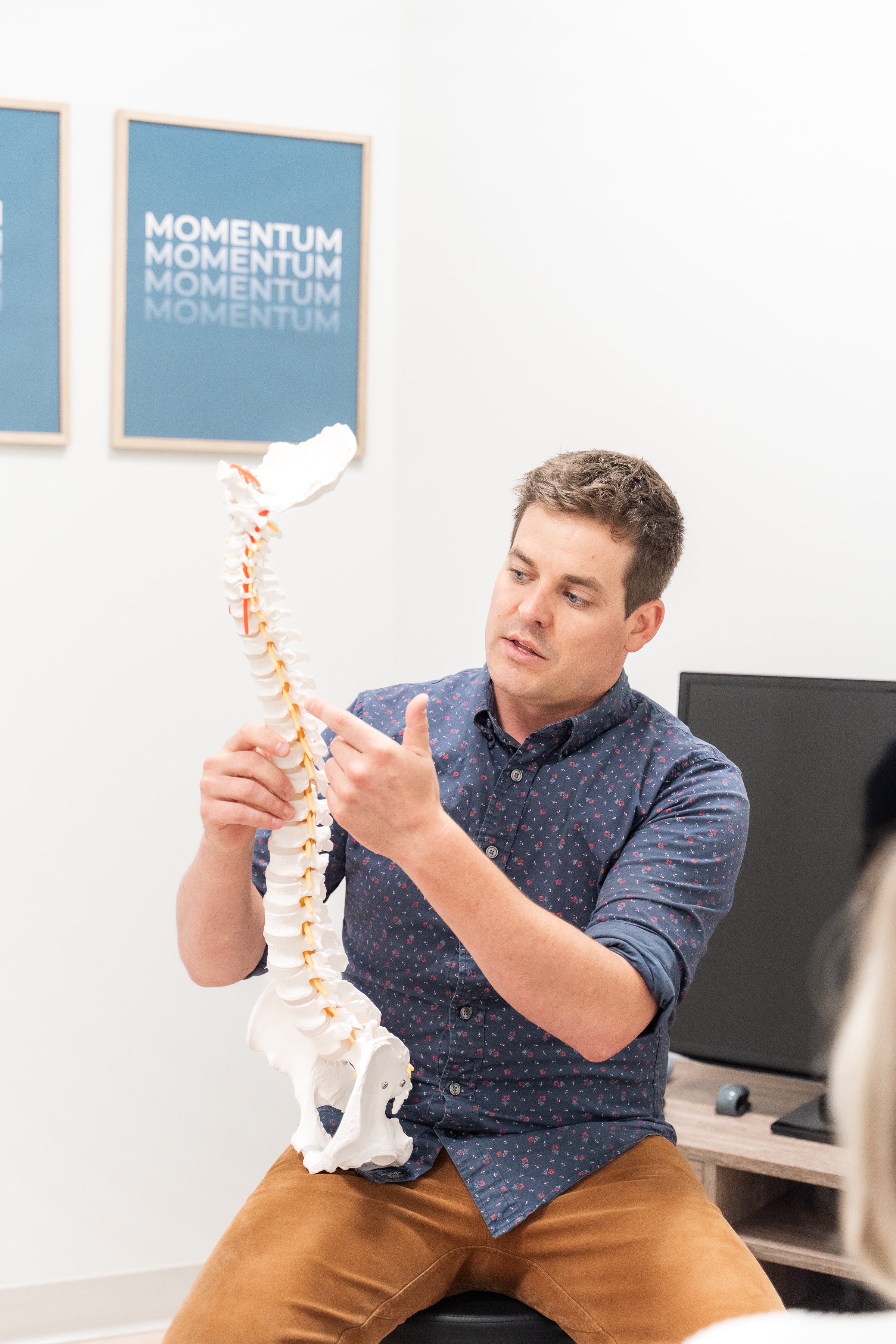
Dr. Janowitz goes over signs that can reveal that you may need chiropractic assistance (they aren't what you think!)