
Is Chiropractic Real, Or Just Placebo?
You're Skeptical, And That's Reasonable
If you've landed here, you've probably heard chiropractic dismissed as pseudoscience or "just placebo" — and you want an honest answer, not a defensive one. That's a fair thing to want, and the honest answer is more interesting than a simple yes.
Here's the straight version. For common musculoskeletal problems — particularly low back pain, neck pain, and certain headaches — there's reasonable evidence that chiropractic care helps, comparable to other accepted treatments for those conditions. It is not a cure-all, the evidence is stronger for some uses than others, and the placebo question deserves a real answer rather than a brush-off. Let's actually engage with it.

What The Evidence Reasonably Supports
The well-supported core is specific, not sweeping. For low back pain, neck pain, and some headache types, spinal manipulation and the broader package of chiropractic care (hands-on treatment plus exercise and advice) show benefits for pain and function that are broadly comparable to other recommended conservative treatments.
That's a genuine, defensible position — and notably, it aligns with mainstream clinical guidance. Major clinical guidelines for low back pain include spinal manipulation among the recommended non-drug options. That's not a fringe endorsement; it's chiropractic's strongest, most legitimate ground.
What the evidence does not support is chiropractic as a treatment for unrelated medical conditions. The honest scope is musculoskeletal — and being precise about that is what makes the credible part credible.

Taking The Placebo Question Seriously
Here's where honesty matters most, because dodging this is what makes people more skeptical, not less.
Placebo effects are real in all of medicine, and the question "how much of any hands-on therapy's benefit is specific versus contextual" is a legitimate, actively debated scientific question — not a gotcha and not something to wave away. Studies using sham comparisons generally do find effects beyond placebo for musculoskeletal pain, but the size of that specific effect, and how much comes from the therapeutic context, is genuinely still discussed in the literature.
The honest position isn't "it's definitely all specific effect" or "it's just placebo." It's: there's reasonable evidence of real benefit for musculoskeletal pain, the mechanisms are still being worked out, and a practitioner who can sit with that nuance is more trustworthy than one who oversells certainty. Effective relief for the conditions it's good for doesn't require pretending the science is fully settled.

Why The "Pseudoscience" Label Misses
The pseudoscience criticism usually targets the historical, sweeping version of chiropractic — the idea that spinal adjustment treats disease throughout the body. That criticism is fair against that claim, and modern, evidence-aligned practice doesn't make it.
Contemporary chiropractic, practised honestly, is a regulated musculoskeletal profession working within an evidence-aligned scope: assessment, hands-on care, exercise, and referral when something's outside that scope. Judged as what it actually is — musculoskeletal care — rather than what its historical fringe claimed, it holds up reasonably well. The label sticks to the overclaiming, not to the honest practice.

So — Real Or Placebo?
The honest answer: real, for what it's genuinely good at, with the intellectual honesty to acknowledge the science is still refining the details. For low back pain, neck pain, and certain headaches, it's a reasonable, evidence-aligned, non-drug option. As a whole-body cure, no — and a practitioner claiming otherwise is the actual problem the skeptics are right about.

How To Judge It For Yourself
The practical test: a credible chiropractor assesses properly, sets clear goals and a rough timeline, tells you if you're not responding, and refers out when appropriate — rather than promising open-ended care for vague whole-health benefits. If you're dealing with musculoskeletal pain and want to judge it on its merits, that's exactly what an assessment lets you do. You don't need a referral to start, and we've written separately on whether it's worth it and its safety.
Axiom Chiropractic is in Hillhurst at 113 19 St NW, free parking on all sides. Book an assessment and judge it for yourself — we'll give you the honest version, including what we don't claim.
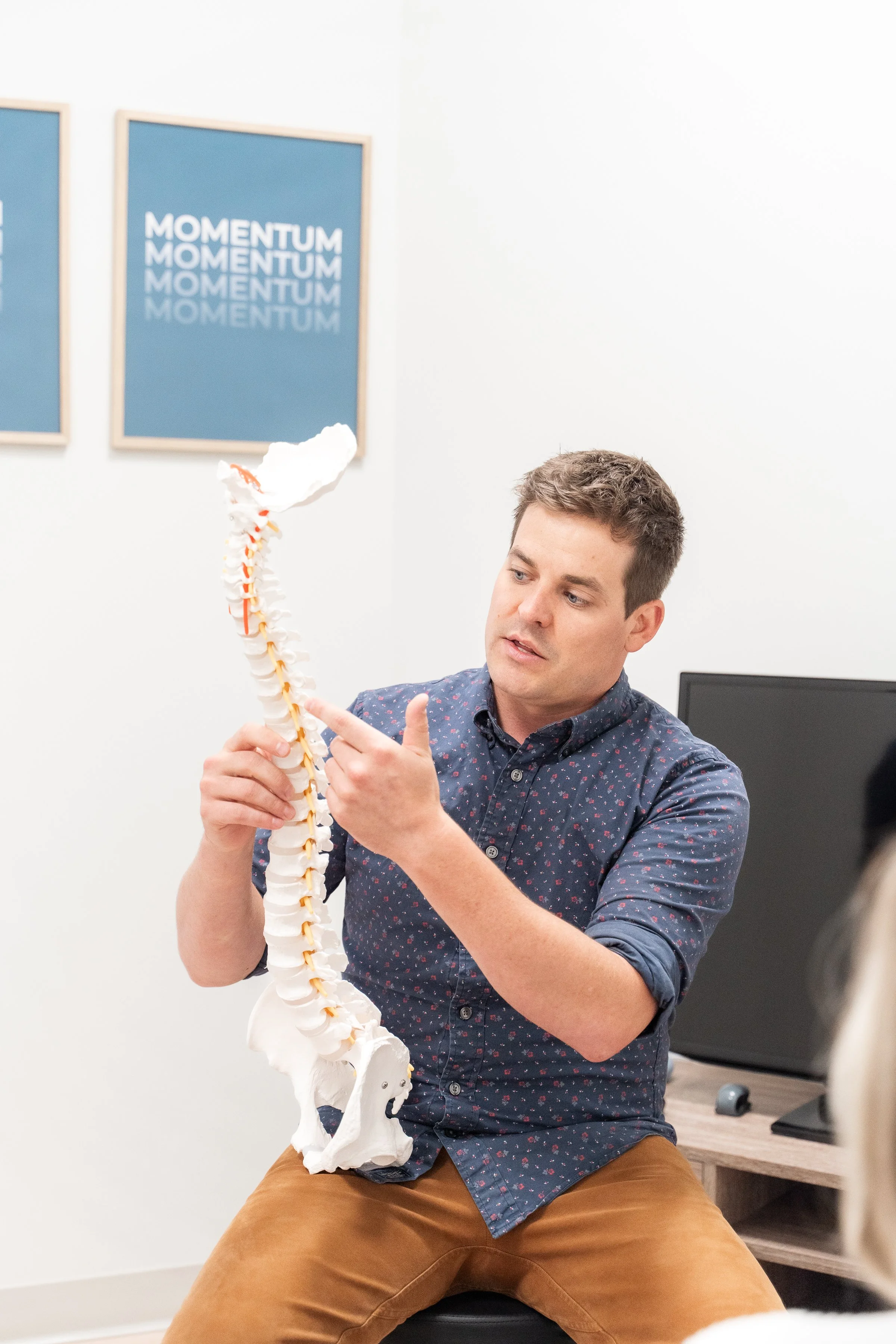
Is chiropractic care real, or a placebo? A new research paper examined the results of chiropractic adjustments (spinal manipulation) vs sham adjustments for individuals with low back pain. The researchers found decreases in pain and improved function for the patients who received chiropractic adjustments. They attributed these benefits, in part, due to the central nervous system and the alteration of neurometabolites in the brain.