
What Is Dowager's Hump (And Can It Improve)?
You've Noticed The Curve And Want To Know If It's Fixable
Maybe you've caught it in a photo or a mirror — a rounding at the upper back and base of the neck — and you want to know what it is and, honestly, whether anything can be done about it.
Here's the straight answer. "Dowager's hump" usually refers to increased forward curvature of the upper spine. When it's postural, it often genuinely improves with the right combination of posture work, exercise, and care. When it's structural — from established changes or osteoporosis — the realistic goal is managing it and limiting progression, not reversing it. The distinction matters, so let's be clear about it.

What It Actually Is
The medical term is hyperkyphosis — excessive forward curvature of the upper (thoracic) spine. The rounded appearance at the upper back, often with a forward head, is what people notice.
It's worth separating two things that get confused. Postural kyphosis comes largely from sustained slouched positioning and is the most modifiable. Structural kyphosis — from vertebral changes, osteoporosis, or other medical causes — is a different situation with a different, more medically-directed path. And a soft "buffalo hump" (a fat pad at the base of the neck) is a separate thing again, sometimes linked to medical or hormonal causes, and worth a physician's assessment rather than assuming it's posture.
Knowing which one you're dealing with is the whole basis of setting realistic expectations.

What Genuinely Helps — Honestly
Being straight about what improves and what doesn't protects you from false promises.
For Postural Kyphosis: Real Improvement Is Possible
When the curvature is largely postural, it's responsive. A combination of posture retraining, targeted strengthening and stretching, and care to address restriction and tension can meaningfully improve it over time. This is the genuinely encouraging case — and the most common one in younger, otherwise-healthy people whose posture and screen habits (text neck) are driving it.
For Structural Causes: Manage, Don't Overpromise
Where the curvature is structural or linked to osteoporosis, the honest goal is managing comfort and function and supporting whatever medical management is appropriate — not "reversing" it through adjustment. Anyone promising to straighten an established structural curve is overreaching, and we won't.
Helpful Exercises
For the postural type, simple consistent work helps: chin tucks, scapular squeezes, and gentle thoracic extension and mobility movements. These aren't dramatic, but done regularly they're among the most effective things for postural kyphosis.

Where Chiropractic Care Fits
For postural kyphosis, chiropractic care can address the joint restriction and muscular tension that accompany it, alongside the exercise and posture work that does much of the heavy lifting. The honest framing is contributor, not miracle: care plus consistent self-work, with realistic expectations set by which type you have. A proper assessment is what determines that.

When To Get It Assessed
If you've noticed increasing upper-back curvature — especially if it's progressing, painful, or you have osteoporosis risk factors — it's worth getting assessed, and in some cases that includes medical evaluation (particularly for a soft "buffalo" hump or suspected bone-density issues). You don't need a referral for a chiropractic assessment, and a good practitioner will tell you honestly whether it's primarily postural or something that needs medical input.
The Bottom Line
Postural Dowager's hump often genuinely improves with consistent posture work, exercise, and care. Structural kyphosis is managed, not reversed — and honest care means telling you which one you have rather than promising the same outcome for both.
Axiom Chiropractic is in Hillhurst at 113 19 St NW, with free parking on all sides of the building. Book an assessment and let's find out which type you're dealing with — and what's realistic.
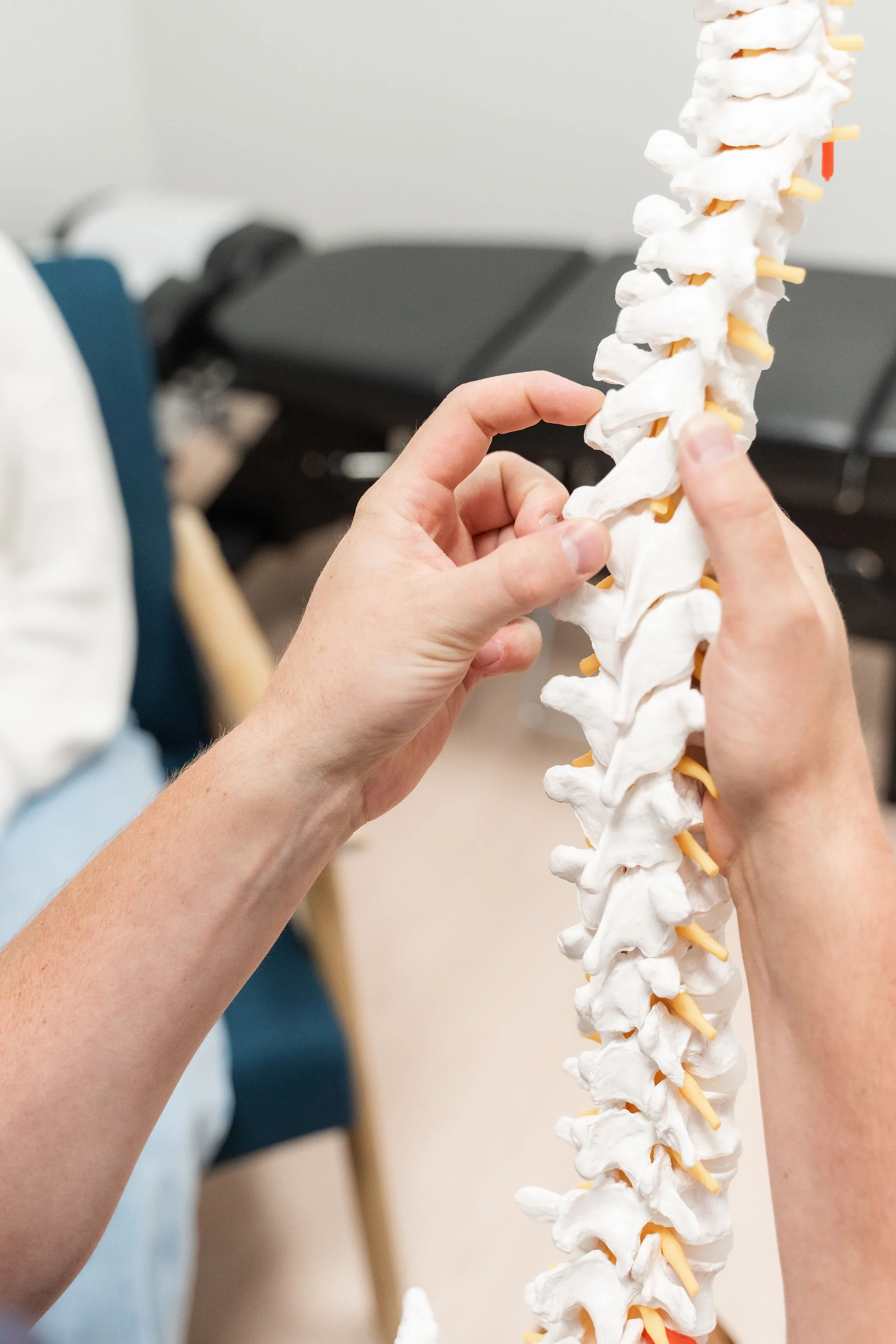
A Neck hump is also known as a Buffalo hump or a Dowager's hump.
It is often due to a faulty posture and with the correct exercises, can be corrected.