
Pickleball Injury Prevention: A Practical Guide
You Love Pickleball And Would Like To Keep Playing It
If pickleball has taken over your week — whether you're playing at Calgary Pickleball Club, indoor courts in the winter, or one of the outdoor pop-ups in the summer — you already know why the sport has exploded. It's social, it's accessible, it's fun at almost any skill level. What most players don't fully appreciate is that pickleball has its own distinct injury profile, and a lot of the injuries that keep people off the court could have been prevented.
Here's the honest version. Pickleball injuries typically fall into a few predictable categories: sudden movement injuries (from the fast direction changes), overuse injuries (from doing more of a repetitive motion than your body has adapted to), and impact injuries (from falls). Understanding what your body is being asked to do differently than in other sports, and preparing for it deliberately, prevents most of the ones that sideline people. Here's the practical picture.

Why Pickleball Injures Bodies Differently Than Other Sports
Pickleball looks like a mild sport — smaller court than tennis, slower ball, seemingly gentle movement. That impression is misleading in specific ways:
The court is small but the movement is fast. Rallies involve rapid short bursts, quick direction changes, and sudden stops. It's more like short-court squash movement patterns than long-court tennis. The forces on ankles, knees, and hips during these direction changes are real.
The volume adds up. A doubles pickleball match can involve 40-60 minutes of near-continuous stopping, starting, and reaching. Multiple matches back to back multiplies the load. This is a much higher volume of quick-movement stress than most players are used to from other activities.
The dominant demographic isn't 22 years old. A significant portion of pickleball players are in their 40s, 50s, 60s, and beyond. That's not a criticism — it's part of what makes the sport welcoming — but it does mean that many players are asking their bodies for movements they haven't demanded in years or decades.
The forehand and backhand loading is repetitive. The shoulder, elbow, and wrist take repeated similar loads over hours of play. Overuse injuries are a natural consequence of high volume of a repetitive pattern.
Falls happen more than people expect. Reaching for a wide shot, backing up quickly for a lob, or shifting direction on an unfamiliar surface — falls are one of the more consistent injury categories in pickleball, and they can be significant.

The Injury Categories Worth Knowing
Being specific about what actually happens helps you know what to prevent:
Ankle sprains — one of the most common pickleball injuries. Quick lateral movements, planting on the edge of a shoe, or catching a foot during a direction change. Prior ankle injuries dramatically increase the risk of recurring ones.
Achilles injuries — the sport involves a lot of pushing off from the balls of the feet. Achilles strains and, more seriously, ruptures happen — usually in players over 40 who ramp up volume quickly. Achilles rupture during pickleball is a real and reported pattern.
Knee injuries — meniscus tears, patellar tendinopathy, and general knee overload from repetitive stopping-starting motion. Prior knee issues that flare up during pickleball are common.
Shoulder injuries — rotator cuff overuse, impingement, and inflammation from repetitive overhead and reaching motions. Older shoulders that haven't been asked to work overhead in years often flare up first.
Tennis elbow and pickleball elbow — lateral or medial elbow pain from repetitive gripping and swinging. Very common in players who play a lot without technique refinement.
Wrist strains — from repetitive grip and impact. Underappreciated but common.
Low back pain — from twisting under load (many shots involve rotational force through the spine) and from the sustained slightly-flexed athletic ready position. Players with prior back issues often see them flare up.
Falls with significant injuries — wrist fractures (from bracing during a fall), shoulder dislocations, and concussions all happen. See our post on concussion for how to think about head impacts.

What Actually Prevents Most Of These
Prevention isn't complicated, but it does require deliberate effort rather than just showing up and playing.
Warm Up Before You Play
The single most under-invested area for most recreational pickleball players. A five-minute proper warm-up before your first match dramatically reduces the risk of muscle strains, tendon injuries, and the acute stuff.
A useful pre-play warm-up:
2-3 minutes of light movement (walking briskly, marching in place, gentle jogging around the court)
Leg swings — front-to-back and side-to-side, 10 each side
Ankle circles and calf raises, 10-15 each
Torso rotations, 10 each direction
Arm circles forward and back, 10 each
A few dynamic hip openers — walking lunges or hip flexor lunges
Then a few practice shots at reduced intensity before starting real play. Cold muscles into competitive rallies is the pattern that produces early-match injuries.
Wear The Right Shoes
Regular running shoes are not ideal for pickleball. Running shoes are designed for forward motion — they're often unstable for lateral movements and can contribute to ankle rolls.
Court shoes (tennis shoes or specific pickleball shoes) are designed for lateral stability, quick direction changes, and the specific loading patterns of racquet sports. If you play pickleball more than occasionally, they're a real investment, not optional gear.
For outdoor courts, shoes with adequate cushioning and support matter more than for indoor courts because the surfaces are less forgiving.
Build Ankle And Knee Stability Off The Court
Because ankle sprains and knee overuse are so common, off-court work makes a real difference:
Single-leg balance work (stand on one foot, close eyes, hold for 30 seconds)
Calf raises done slowly and controlled
Step-ups and step-downs from a low step
Lateral band walks for hip stability
Gentle glute strengthening (bridges, clamshells)
Ten minutes a few times a week, done consistently over months, builds real resilience.
Match The Volume To Your Current Capacity
The single biggest cause of pickleball injuries is doing too much too fast. Common patterns:
Playing three days a week for years, then suddenly playing five (or five hours in a day)
Going straight to tournament play without adequate volume base
Coming back after a long break at the same intensity as before
Progressive volume ramp-up matters. If you're new to pickleball or coming back after a break, start with shorter sessions and build over weeks.
Refine Technique Enough To Reduce Overuse
Pickleball elbow and shoulder overuse injuries are strongly correlated with grip that's too tight, contact points that stress the joints, and technique that transfers force poorly. A few sessions with a competent coach or clinic — even at the recreational level — is genuinely worth it if you're playing regularly. Small technique refinements prevent months of overuse injuries.
Prepare For The Falls
Not every fall is preventable. Some things reduce their impact:
Don't reach beyond your balance — a let ball is better than a fall
Court shoes with good traction
Playing on well-maintained surfaces
Being aware of the space behind you when backing up
Rest Days Are Not Optional
Bodies adapt during rest, not during exercise. Playing pickleball every day without genuine rest days is a common cause of overuse injuries. Two or three days per week of full rest (or gentle activity like walking) is generally protective for most recreational players.

Managing The First Signs Of An Issue
The pattern most players regret afterward: pain shows up, it's mild, they play through it, it gets worse, they finally rest, it takes weeks to resolve.
The pattern that keeps people playing: pain shows up, they modify or take a few days off early, they address the specific issue, they return in a week or two rather than a month or two.
If you're feeling something:
Take a couple of days off rather than playing through it
Ice if it's acute; heat if it's stiff
Gentle mobility work for the affected area
Return to play at reduced intensity to test it
If it comes back immediately, that's information — rest longer or get it assessed
Early intervention is genuinely the biggest single lever most players have. Pushing through small signals turns them into bigger problems.
Falls: The One To Take Seriously
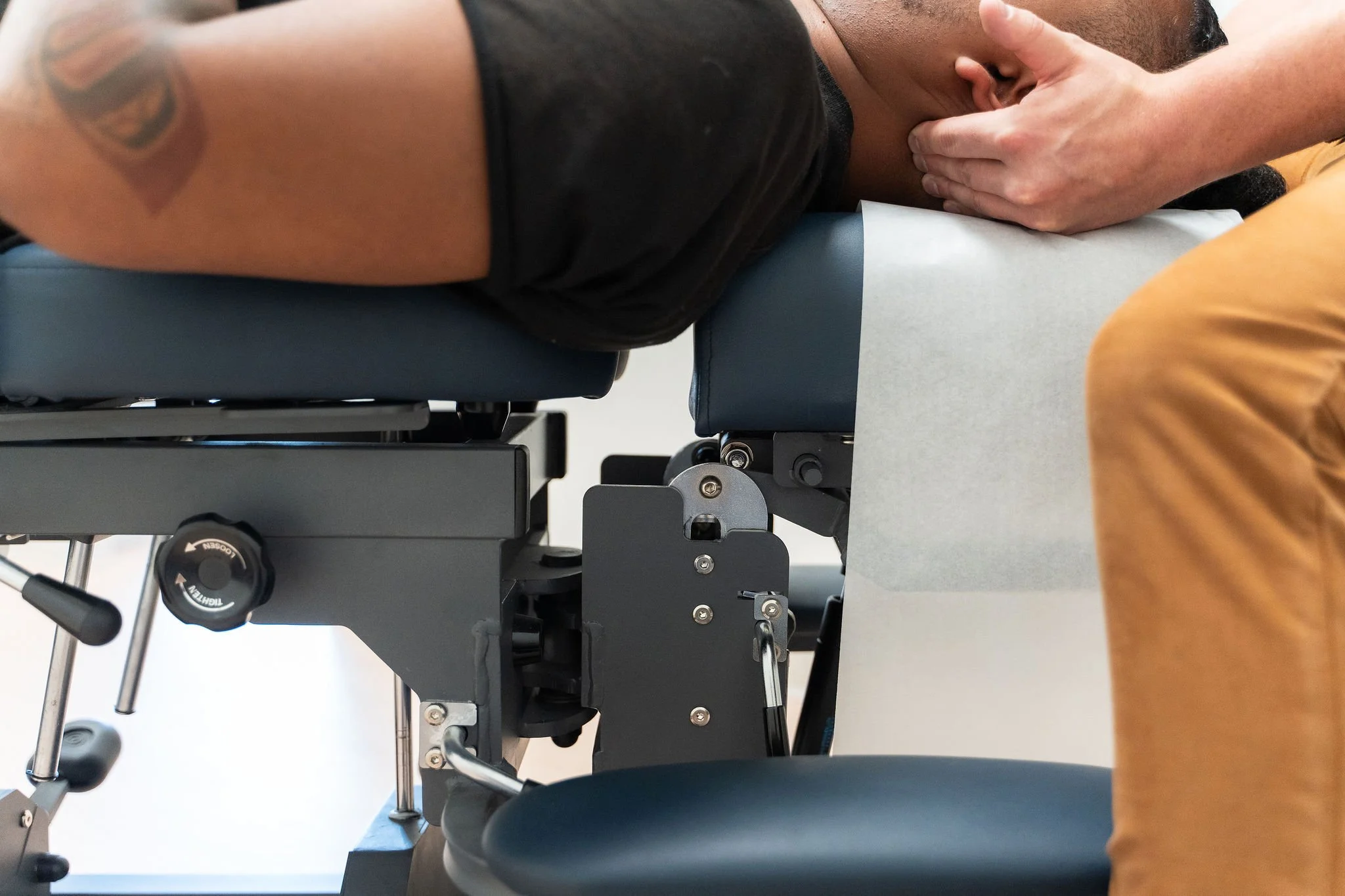
Falls in pickleball can be serious. Landing on an outstretched hand can produce wrist fractures. Falling backward can produce head impacts. Bracing awkwardly can dislocate shoulders.
Some situations warrant medical assessment rather than wait-and-see:
Any fall with a head impact — even if you think you're fine, watch for confusion, worsening headache, nausea, or coordination issues over the following 24 hours
Suspected fracture — sharp pain on a bone, deformity, significant swelling, inability to use the affected part
Shoulder that "popped" or feels dislocated
Wrist pain that continues after a fall onto an outstretched hand — scaphoid fractures are a real risk and can be missed early
Any neurological symptoms (numbness, tingling, weakness) after a fall
For anything with head impact and any confusion, worsening headache, or nausea, that's same-day medical assessment. Concussion is easy to underestimate immediately after the impact.
When Pickleball Pain Isn't Just Pickleball Pain
Most pickleball-related pain is mechanical and settles with sensible self-care. Some symptoms mean it's not just overuse:
Sharp localized joint pain rather than general soreness
Swelling that persists between sessions
Neurological symptoms — numbness, tingling, weakness anywhere
Pain that changes your gait or movement pattern
Pain that's dramatically worsening rather than plateauing
Any specific injury moment (a fall, a twist, a felt "pop") with pain that continues
For any red-flag features — progressive weakness, severe worsening pain, suspected fracture — those are urgent medical situations rather than wait-and-see.
For the more common overuse patterns that haven't settled with rest and self-care, an assessment identifies what's driving it. We've written more on running and activity-related injuries which covers a lot of the same principles, and what to do when you first hurt your back if a back or joint issue has caught you.
The Bottom Line
Pickleball injuries mostly fall into predictable categories: sudden movement injuries, overuse from too much too fast, and impact injuries from falls. Most are preventable through proper warm-up, appropriate court shoes, off-court ankle and knee stability work, and matching your playing volume to your actual current capacity. Early intervention on small signals prevents most of the bigger problems that keep people off the court. What doesn't settle, or comes with neurological or fracture-suspicious signs, means an assessment is the right next step.
If pickleball has left you with something that isn't clearing, or if you'd rather sort out a recurring issue than keep playing through it, an assessment can identify what's specifically going on.
You don't need a referral to be seen. Axiom Chiropractic is in Hillhurst at 113 19 St NW, free parking on all sides.
Book an assessment — and get back to the court on a plan that keeps you there.